All Categories
Featured


Tennessee Home Cleaning Guide for 2026
Table of Contents
Utilize a manufacturer-approved cleaner when the flooring needs a deeper cleaning. Removing dirt before it grinds into the finish assists protect the flooring with less work.
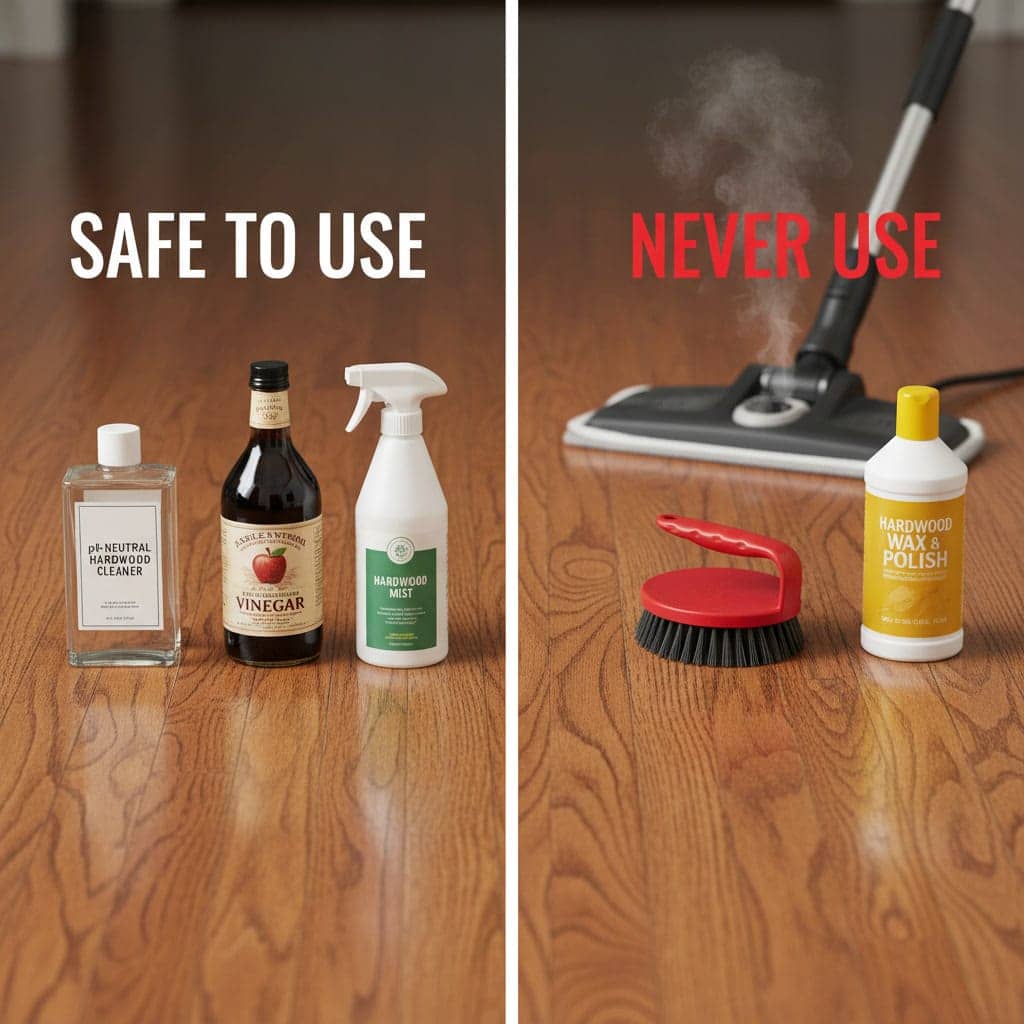
Solid hardwood, crafted wood and wood-look items have different care requirements. Even two wood floorings can require various products because their finishes aren't the same.
Apply the product as directed rather than assuming a stronger concentration will clean better. Components that appear mild can affect a finish over time.
Water and hardwood flooring do not mix well when moisture is permitted to sit. Use a gently dampened mop rather than a soaking-wet one.
Sustainable Practices for Polished Wood Planks
Avoid using bleach, ammonia, abrasive scrubbers or other harsh items unless the flooring maker specifically approves them. Steam presents heat and moisture into the flooring, consisting of along joints and seams.
Preventive care minimizes the quantity of cleaning and fix a wood flooring requirements. Place mats at entryways to catch grit before it reaches the flooring.
Clean underneath them routinely due to the fact that trapped debris can still scratch the surface. Inspect the flooring manufacturer's guidance before choosing a carpet pad. Some rubber, latex or adhesive supports can respond with certain finishes or leave marks. Use a nonstaining pad advised for the floor covering. Connect felt or manufacturer-approved pads underneath chair legs, tables and other furnishings.
The Expert Guide to Hardwood Care
Pads can wear down or collect grit that scratches the floor when furniture relocations. Never ever drag heavy furnishings throughout hardwood. Raise it or utilize moving equipment designed to safeguard the floor covering. Spills are easier to handle before they spread out or soak into joints. Blot the liquid with a tidy, absorbent cloth instead of rubbing it throughout a larger location.
Dry the area entirely when completed. Pay attention to spills near plank seams, along walls and beneath cabinets or devices. Moisture can gather in locations that aren't immediately visible. Sticky or dried spills might take more than one mild cleansing. Resist the urge to scrape the flooring with a sharp tool or utilize a more powerful chemical.
Surface area cleaning may not attend to wetness that has actually reached the wood or subfloor. Routine cleansing is likewise a possibility to examine the floor.
Carpet Cleaning Before Selling HouseDeep scratches that expose bare wood require more attention since the protective layer has been broken. Moving rugs and furniture occasionally can encourage more even color modifications, however owners must follow maker guidance before putting or moving floor coverings.
Comparing the area over time makes it easier to inform whether the concern is steady or becoming worse. Routine care can protect wood, however it can't remedy every concern. Refinishing or repair work ends up being suitable when wear reaches beyond what regular cleansing can deal with. A flooring expert should examine prevalent surface loss, deep scratches, water damage, loose boards or substantial discoloration.
Effective Move-Out Rug and Hardwood Cleaning
Some floors can be evaluated and recoated to refresh the protective surface. Others may require sanding and refinishing. Engineered hardwood can have limits on how much sanding it can tolerate, depending on the density of its real-wood wear layer. Specific damaged boards might often be fixed or replaced without refinishing the complete space.
Carpet Cleaning Before Selling HouseDon't wait till exposed wood or wetness damage spreads. The most reliable hardwood flooring care isn't made complex.

Latest Posts

The Essential Guide for Safe Sofa Deep Cleaning
Effective Methods for Alamo Carpet Restoration

Effective Dirt Extraction Services for Alamo